
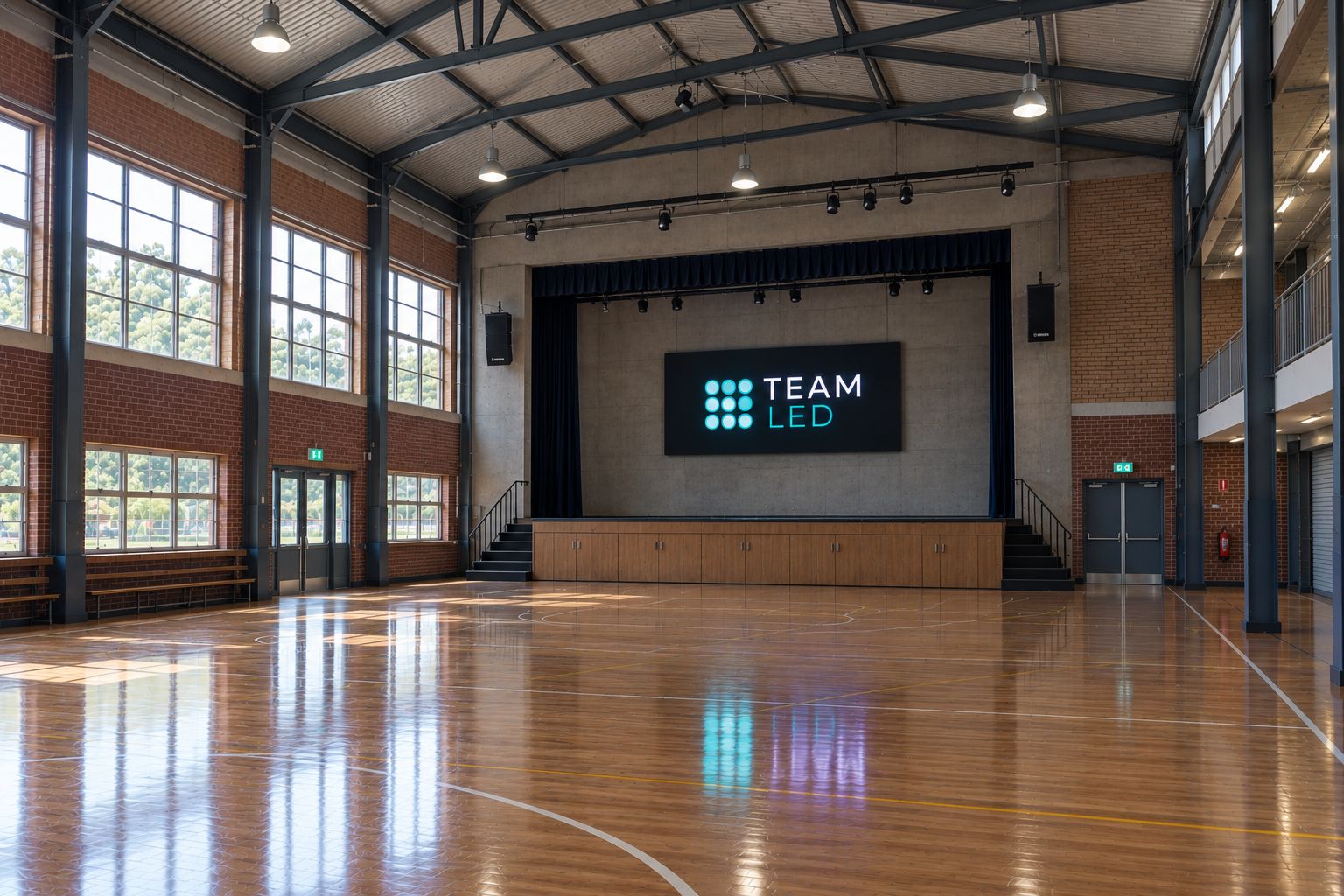
Assembly Hall Sound Systems
Even, clear sound from the front row to the back, with microphones and controls built for everyday school use.
Sound that reaches the back row
Assembly hall sound is the job everyone in the room notices when it goes wrong. We design and install hall sound systems that stay clear even when the hall is full.
Assembly sound is one of the most closely watched systems in a school. When the principal steps up in front of the whole school, the microphone has to work. When a guest speaker takes over, their voice has to reach the back row. And when the hall is packed, the room’s acoustics need to be handled by the system, not left to whoever is running it.
We place speakers around your seating plan, size amplifiers to the volume of the room, plan wireless microphones around the wireless equipment your school already has, and set up the mixer for a staff member rather than a professional sound engineer.
You get a permanent install that makes it through Term 4. Your business manager gets a clear, itemised quote, and your IT team gets a sound system that doesn’t call them at assembly time.
What goes into an assembly hall sound install
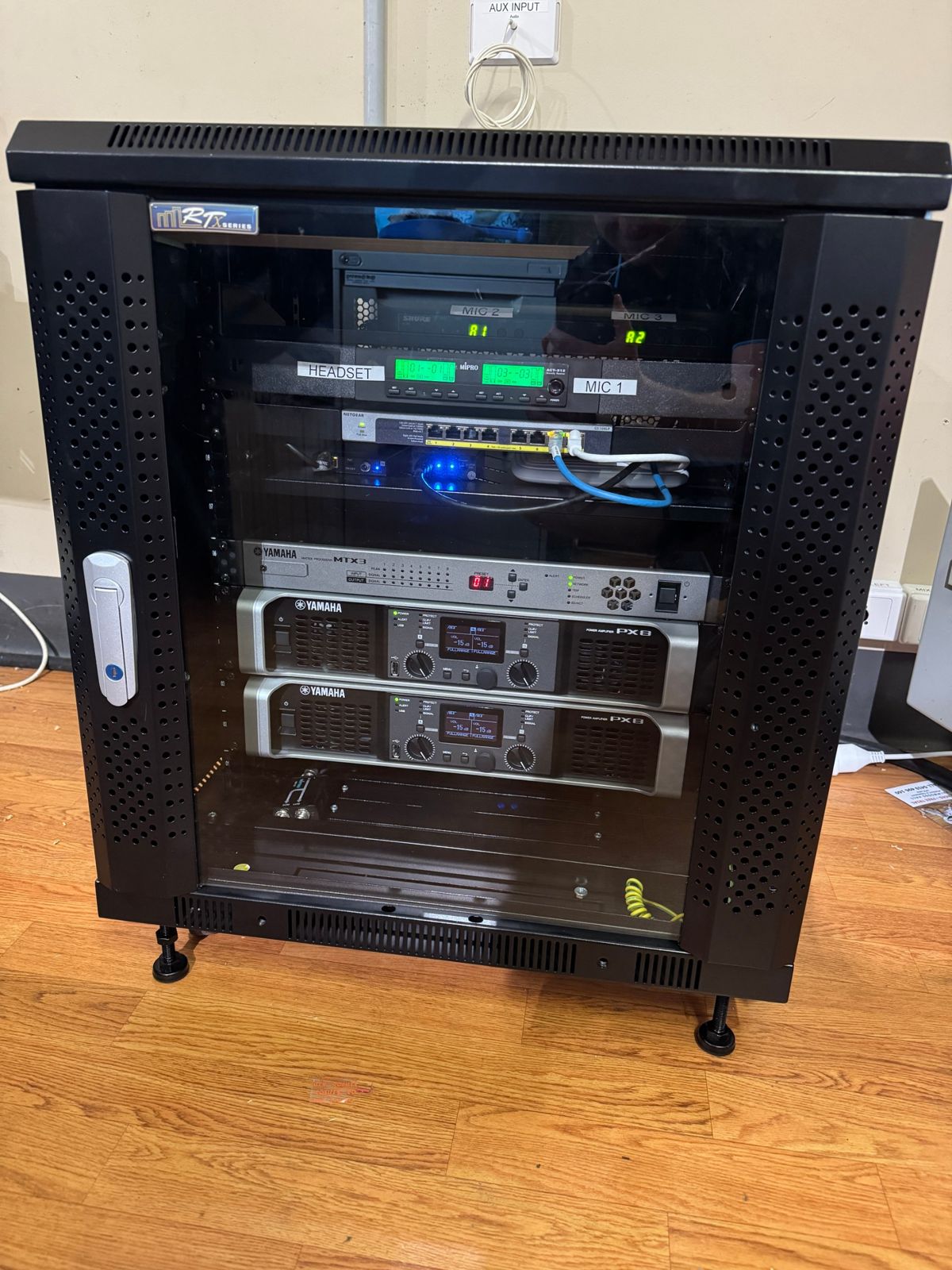
An assembly hall sound install has six parts, and each one is a deliberate decision rather than a default.
- Speaker placement. Fixed positions mapped to the seating plan, so coverage is even across the hall rather than just loud at the front.
- Ceiling and wall mounts. Structural mounting suited to how your hall is built, usually hard floors and high ceilings, so the speakers stay exactly where they were installed.
- Amplifiers. Sized with plenty of headroom for the volume of the room, so the sound doesn’t distort when the hall is full.
- Processing. Tuned to the hall’s surfaces, so voices stay clear when the room is at capacity.
- Wireless microphones. Handheld, lapel and lectern options, on frequencies that won’t clash with your school’s other wireless equipment.
- Mixer. Set up for a staff member, with presets for assembly, guest speaker and event modes, so whoever runs assembly doesn’t need to mix.
We plan all six together, in one quote.
Speakers placed by the seating plan, not the walls
Where the speakers go is the most important decision in the whole install. Speakers in the corners of the hall look neat but leave the back rows struggling. Speakers placed around the seating plan cover the whole hall evenly, even when it’s full.
We map out speaker positions during the site visit, based on how your school actually sets up the room. Halls with retractable seating, mixed layouts or a long way to the back row get extra speakers spread through the room, so no row gets left behind.
Wireless microphones that last the school year
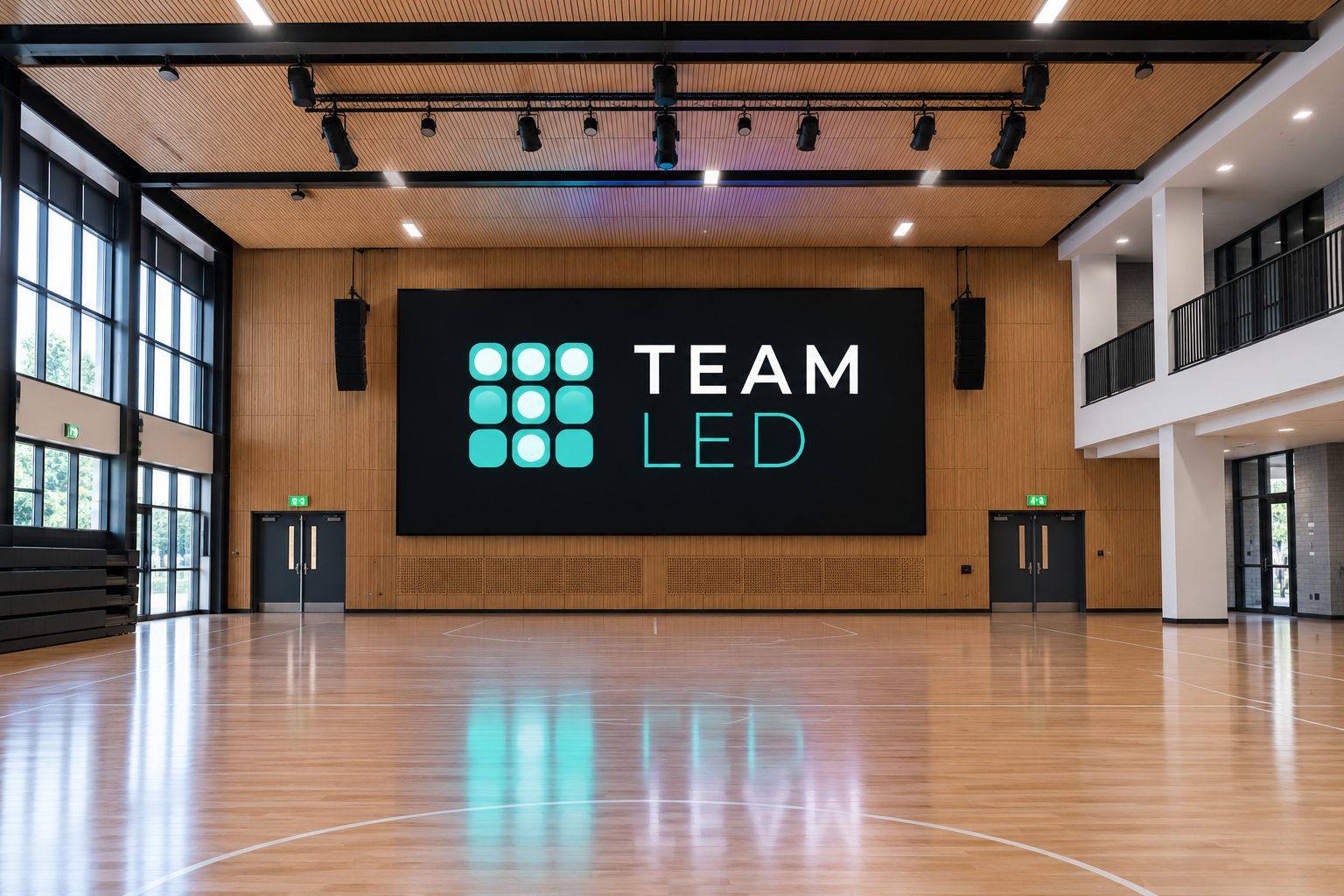
Wireless microphones are where a lot of school sound systems quietly fall over. Batteries go flat halfway through assembly, channels pick up interference, and the principal is left tapping a dead microphone in front of the whole school.
We choose wireless microphones for the reality of daily school use: handhelds for assemblies and guest speakers, and lapel or headset options for drama and presentations. They’re planned on frequencies that avoid your school’s other wireless equipment, including Wi-Fi, security systems and existing venue AV. We also set up a battery and charging routine, so the person in charge has a simple system rather than crossed fingers.
A mixer set up for staff, not sound engineers
The person running assembly sound usually isn’t a professional sound engineer. It’s a teacher, a Year 12 student on the roster or someone from the office.
We set the mixer up with named presets for the ways your hall is actually used, such as assembly, guest speaker, awards night, drama and events. Volume and other settings stay within safe ranges so nobody can accidentally upset the room. Full mixing is still there for the drama teacher who wants it, but the default is one button and done.
Connected to the LED wall
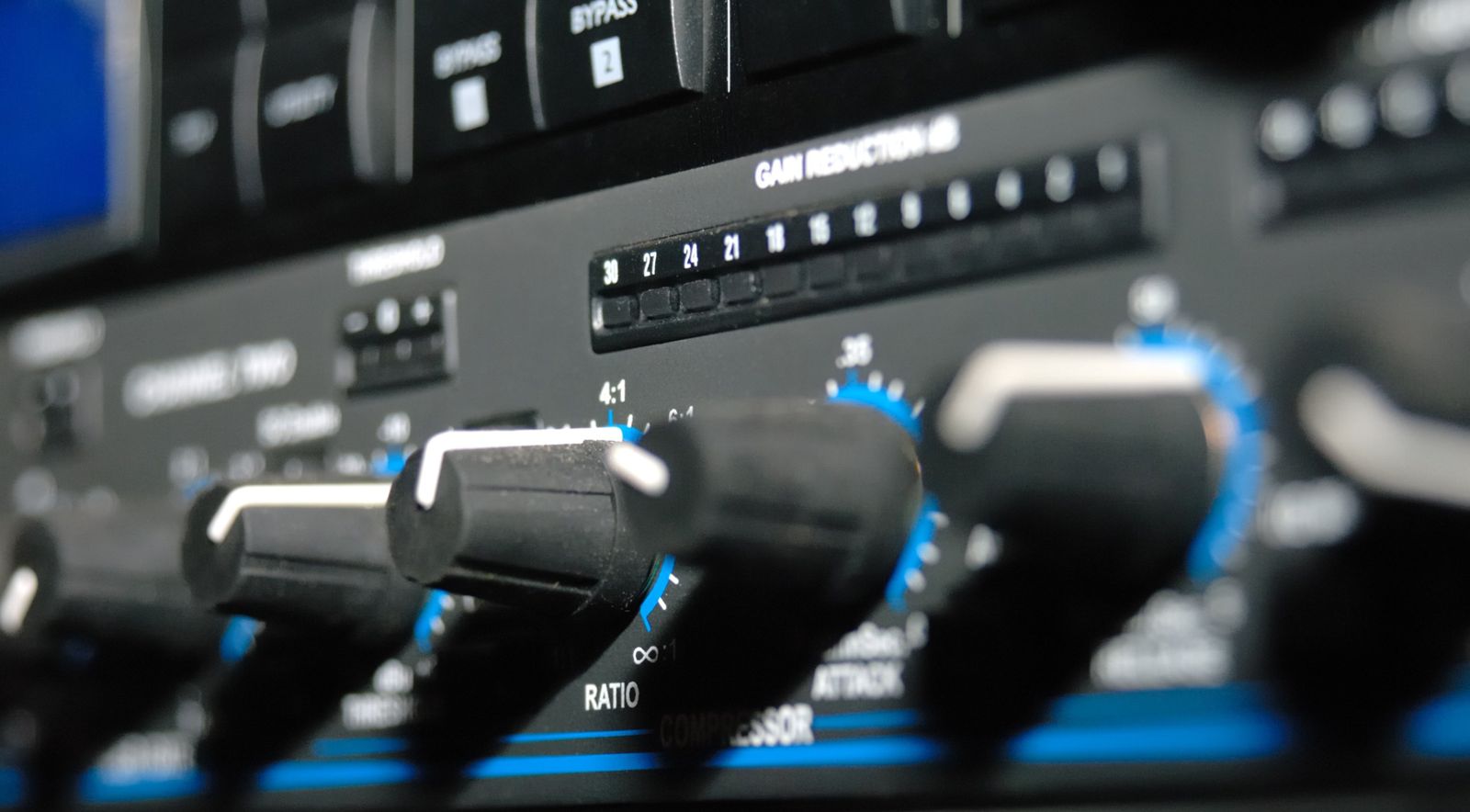
When the sound is part of a bigger hall project, we design the sound and the LED wall audio together, so the presenter, the microphones and the video all run through the same system.
That matters, because a screen playing sound through its own speakers alongside a separate hall system creates timing problems that everyone notices the first time someone plays a video. We avoid that at the design stage.
Hearing augmentation, planned in
In Australia, the National Construction Code calls for hearing augmentation in halls and auditoriums that have a built-in sound system, so people who use hearing aids or cochlear implants can follow what’s said from the stage.
We integrate hearing augmentation with the hall sound system, so it carries the same clear mix as the main speakers. It’s much easier to plan in at the design stage than to add later, so we raise it early and talk through the options that suit your hall. See the standards behind our work.
Backup where you need it
Some events can’t stop for a flat battery: graduation, awards night, a visiting guest of honour. Where it’s needed, we design in backup: a spare microphone, a second amplifier path, or a wired handheld microphone that keeps working if wireless drops out.
Backup is a choice, not a default, and you’ll see the cost difference before anything is built in.
One thing worth knowing: a hall sound system is separate from your school’s emergency warning and bell systems. Those are covered by their own standards and installed by specialists in that field, and we design the hall system to sit alongside them.
Quality equipment with a long life
We use established commercial sound equipment for speakers, amplifiers, processing and mixers on most hall installs. It’s designed for school halls and event spaces, it’s reliable, and parts and support are available for years to come. Where your school already has equipment or a specific compatibility need, we design around it.
Get in touch and we’ll send you a link to book your free site inspection, or our Site Inspection Form if you’re further afield. From there, we’ll plan the speakers, amplifiers, processing, wireless microphones, mixer and installation in one quote.
Frequently asked questions
What is an assembly hall sound system?
It’s the permanent sound system that runs assemblies, guest speakers, awards nights and events in your hall or gym. We plan the speakers, amplifiers, processing, wireless microphones, mixer and installation as one project.
Why does speaker placement matter more than the brand?
Because a great speaker in the wrong spot still leaves the back row struggling to hear. We map speaker positions to your seating plan during the site visit, so coverage is even across the whole room.
How many wireless microphones does a hall need?
It depends on how the hall is used. As a minimum, a handheld for the principal and a lectern or lapel microphone for the presenter. Halls that host drama, awards nights or panel discussions usually need more. We work out the right number with you.
Can staff run the mixer without training?
Yes. The mixer is set up with named presets for the ways your hall is used. The operator simply picks one and starts. Full mixing is there for anyone who wants it, but it isn’t the default.
Does the hall sound connect to the LED display?
Yes. When we design both, the hall sound and the LED wall audio run through one system, so microphones, presentations and video all stay in sync.
What equipment do you install?
Established commercial sound equipment that suits school halls, with long-term parts and support. Where your school already has equipment in place, we design around it.
Can the system include backup for big events?
Yes. For events that can’t stop, we can design in backup, such as a spare microphone, a second amplifier path or a wired handheld microphone. Emergency warning and bell systems are separate from the hall system and aren’t something we install.
Does our hall need hearing augmentation?
If your hall is getting a built-in sound system, most likely yes. The National Construction Code calls for hearing augmentation in assembly buildings with an inbuilt amplification system, and AS 1428.5 covers how it’s done. Your building certifier has the final say. We design it in and integrate it with your hall sound system, so it’s part of the one install.
Talk to Team LED
One team handles the whole job, from design to commissioning. Tell us about your venue and we’ll take it from there.